Why Are Ants Following Portland Kitchen Counters?
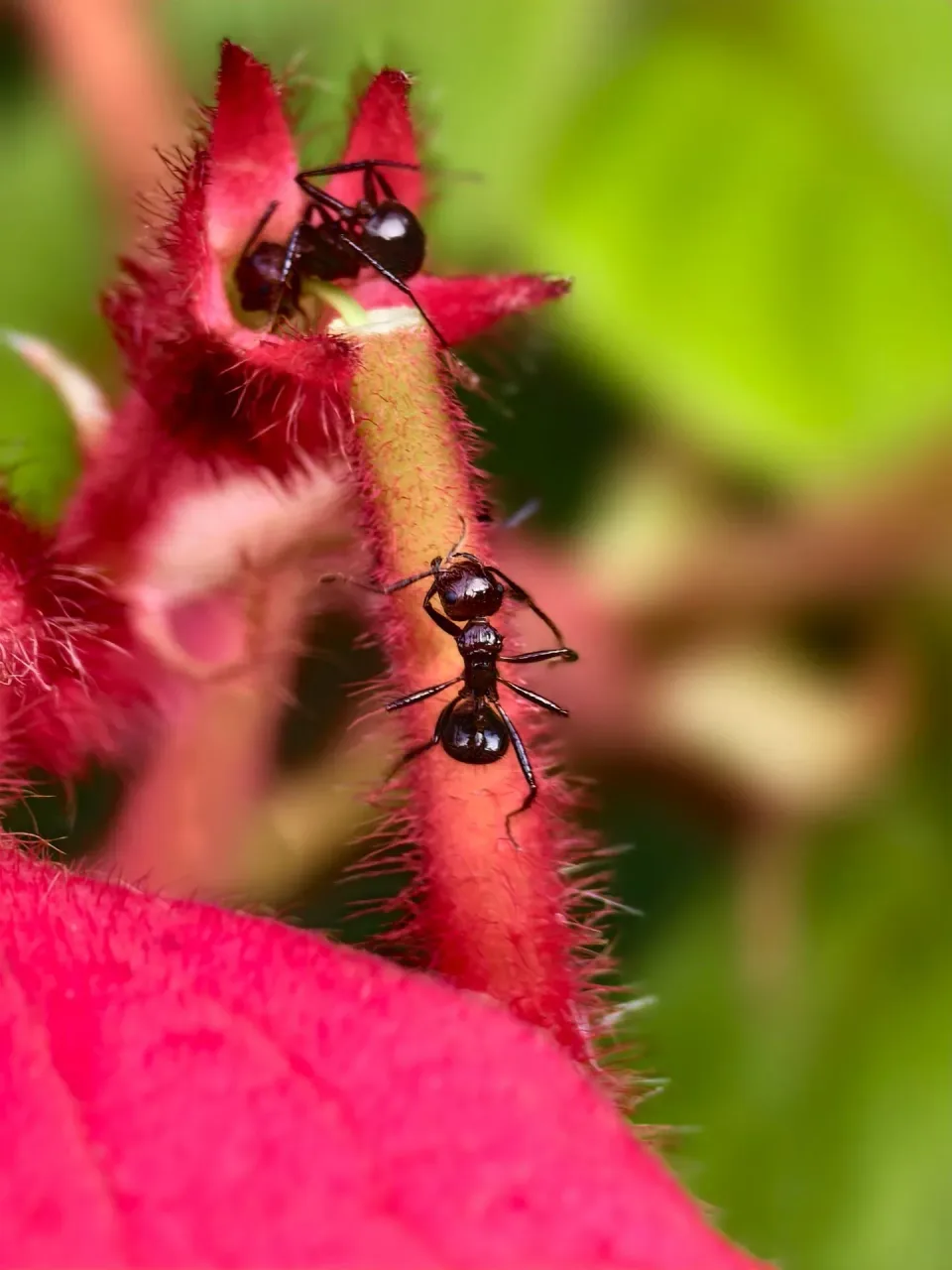
Ants usually trail across a kitchen counter because a scout has found food or water and left a route other ants can follow. Wiping away the visible line helps, but crumbs, a sticky spill, or moisture near a sink can keep drawing them back. Start by cleaning the trail and checking where it disappears.
A Portland homeowner who says they were hoping to get somebody out for ants is describing a practical concern: the trail keeps returning, and the source may be out of sight. Near Maine Medical Center, that same frustration can mean repeated cleanup in a busy household; photographing the trail and noting its timing gives an inspector useful clues.
What makes ants cross a kitchen counter?
A counter trail is a food-finding route, not proof that the whole kitchen is infested. Ants may be following sugar, grease, pet food, or a small drip, then entering through a window edge, pipe gap, or trim joint. Clean the surface with soapy water and store food in closed containers; avoid crushing ants along the route, since the remaining trail can still guide others. A common missed step is checking the underside of the counter lip and the wall behind appliances, where crumbs and dampness can go unnoticed.
Warm kitchens can keep food and moisture available even when outdoor conditions change. In Portland, the Eastern Promenade is a familiar reminder of the city’s coastal setting, but a kitchen trail is best diagnosed from the home’s own evidence, not the neighborhood name. Our inspection follows ants toward likely entry points and harborage areas before we recommend treatment.
Does a trail mean the nest is indoors?
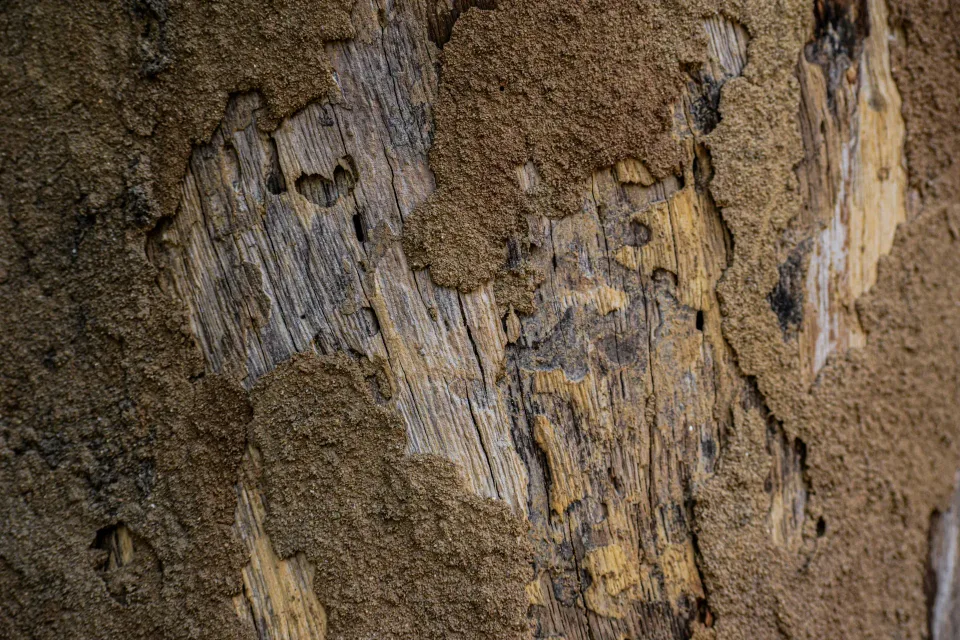
No; ants can enter from outside and travel indoors to forage. A trail that runs toward a sill, foundation edge, or plumbing penetration may point to an exterior route, while activity from several cabinets or wall voids calls for closer inspection. At homes near the Maine Mall in South Portland, as anywhere else in the service area, the building’s openings and food sources matter more than the address. Wooded lots can raise exposure to carpenter ants, so larger ants or signs of damaged, damp wood deserve a careful identification rather than a guess based on size alone.
Don’t spray every ant you see. A broad application may scatter activity or miss the colony; targeted crack-and-crevice treatment is considered only after pest identification and inspection. If the ants are large, keep reappearing, or seem to come from wood, ask for an assessment instead of relying on a kitchen spray.
When should you call a professional?
Call when cleaning and sealing food do not stop the trail, or when ants appear in multiple rooms. A one-day sighting after a spill may be manageable with sanitation and observation. Persistent lines, ants emerging from a wall, or uncertainty about the species make professional inspection a sensible next step. Old Port buildings and homes elsewhere in Portland differ in age and construction, so we look at the actual entry route rather than applying the same plan to every property.
Maine Pest Solutions uses inspection and pest identification to locate activity, then explains treatment choices and prevention steps. The Ant Extermination service page explains how we approach recurring ant problems. For background on the crew and our inspection-first process, see About Us.
What should you try before treatment?
Start with the low-risk fixes: wipe the counter and trail, rinse containers before recycling, secure pantry goods, and repair dripping taps. Watch where ants return rather than sealing a gap while insects are still emerging from it.
Use care with household pesticides around food-preparation surfaces; read the label and keep children and pets away as directed. If activity continues, note the room, time, and route for the inspection.
That record helps us distinguish an occasional forager from a persistent active infestation and select a focused response.
Which Ant-Trail Response Fits the Problem?
A brief trail after an identifiable spill may call for cleaning and observation; recurring activity or uncertain entry points call for an inspection. The right response depends on what the evidence shows.
| Option | Best for | Key detail |
|---|---|---|
| Clean and monitor | A short trail after food was left out | Recheck the same counter and nearby edges |
| DIY bait | Limited activity with a clear route | Follow the product label; keep bait away from children and pets |
| Professional inspection | Repeated trails or an unclear source | Identifies species, entry route, and harborage |
| Targeted treatment | Confirmed activity at a specific point | Treatment follows inspection and product directions |
The Bangor Waterfront helps illustrate how different Maine settings can bring different property conditions; your home still needs its own assessment. At Bar Harbor Village Green, visitors see a coastal place, while a pest technician must focus on the building’s details. Inland winters can leave snow on the ground longer, so timing and access for exterior inspection may differ from coastal jobs.
How Do You Prepare for an Ant Inspection?
A clear route makes an ant inspection more useful. Keep the trail visible long enough to show where it starts and ends.
-
Confirm the visit: Share the service address and mention which counter or room has ant activity.
-
Record the pattern: Note when ants appear and whether they travel toward food, a window, or a pipe opening.
-
Protect food: Put pantry goods and utensils away from areas being inspected or treated.
-
Mention household needs: Tell the technician about children, pets, allergies, or sensitive equipment before any application.
-
Follow directions: Observe product-specific label and re-entry instructions if treatment is used.
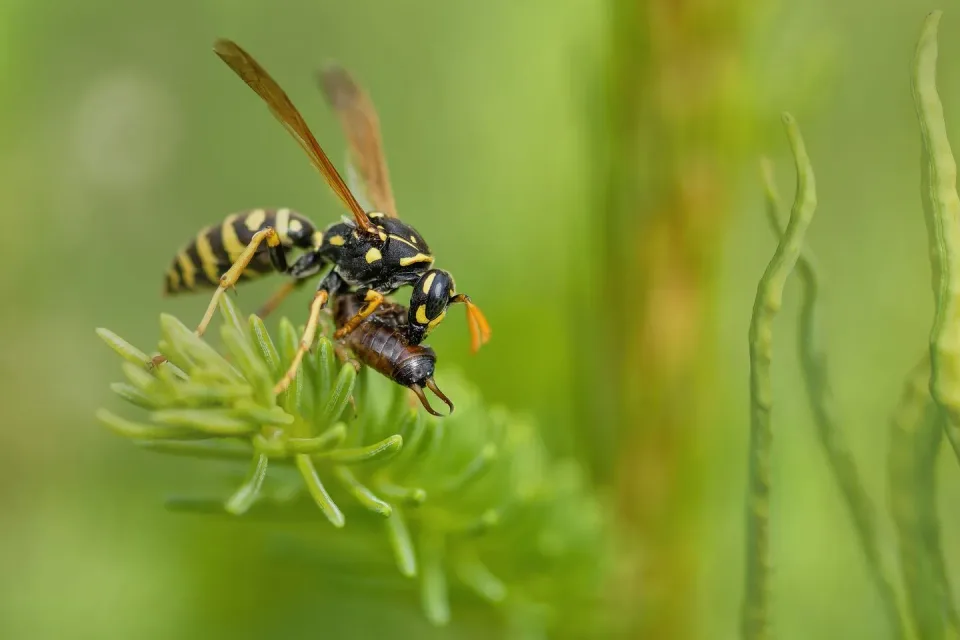
Warm weather can bring more ant and wasp activity, so note whether the trail changes as temperatures rise. If your property is near the Kennebec River Rail Trail in Augusta, that landmark can help orient a service address without substituting for inspection. Acadia National Park is another Maine reference point, but coastal fog and dampness can affect crawlspaces; tell the technician if a nearby crawlspace feels wet or musty.
Get a Clear Plan for Kitchen Ant Trails
A recurring counter trail needs source-finding, not just repeated wiping. Clean the route, store food securely, and note where ants enter; call for an inspection if activity persists or appears to come from a wall or wood. We document what we find and explain the treatment plan before work begins.
Humid summers can also bring mosquito and tick activity around properties, so a yard concern may deserve separate discussion rather than being folded into an ant treatment. Salt air can corrode exterior equipment over time, making condition checks useful during outdoor inspection.
For help tracing ants in Portland, contact Maine Pest Solutions at (877) 729-2528 or review our Ant Extermination service.